
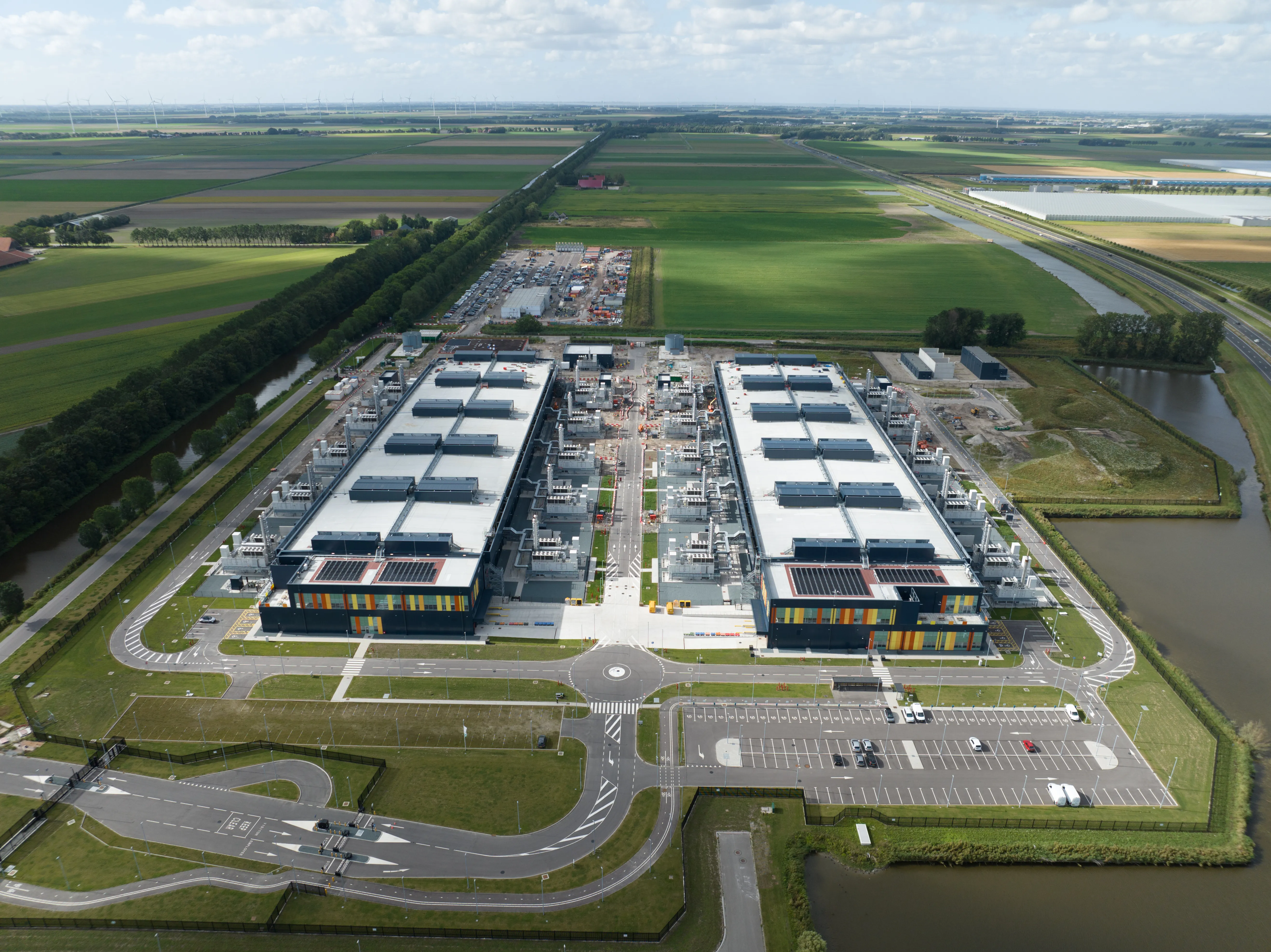
Rows of server racks in a data center hall served by an Axces SCR emission and acoustic exhaust system

Data centers

Emission control and acoustic treatment for standby and prime-power generation, engineered so your facility meets permit limits and neighbourhood noise consents without compromising uptime.

95 %+
NOx reduction
30 dB(A)
Noise cut
Tier III
Compliant
< 0.5 s
Load response

Generators that pass the permit and the property line.

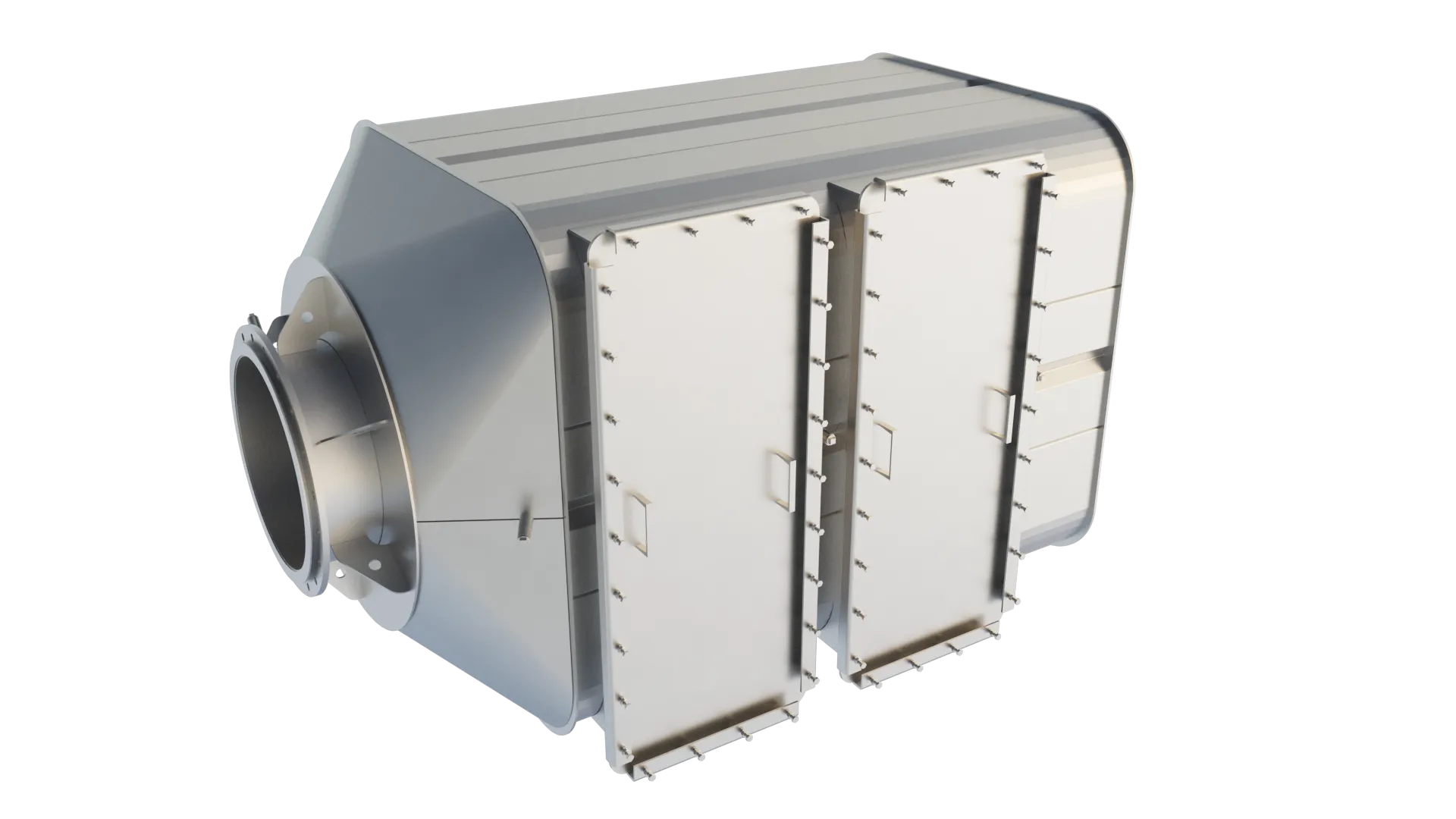
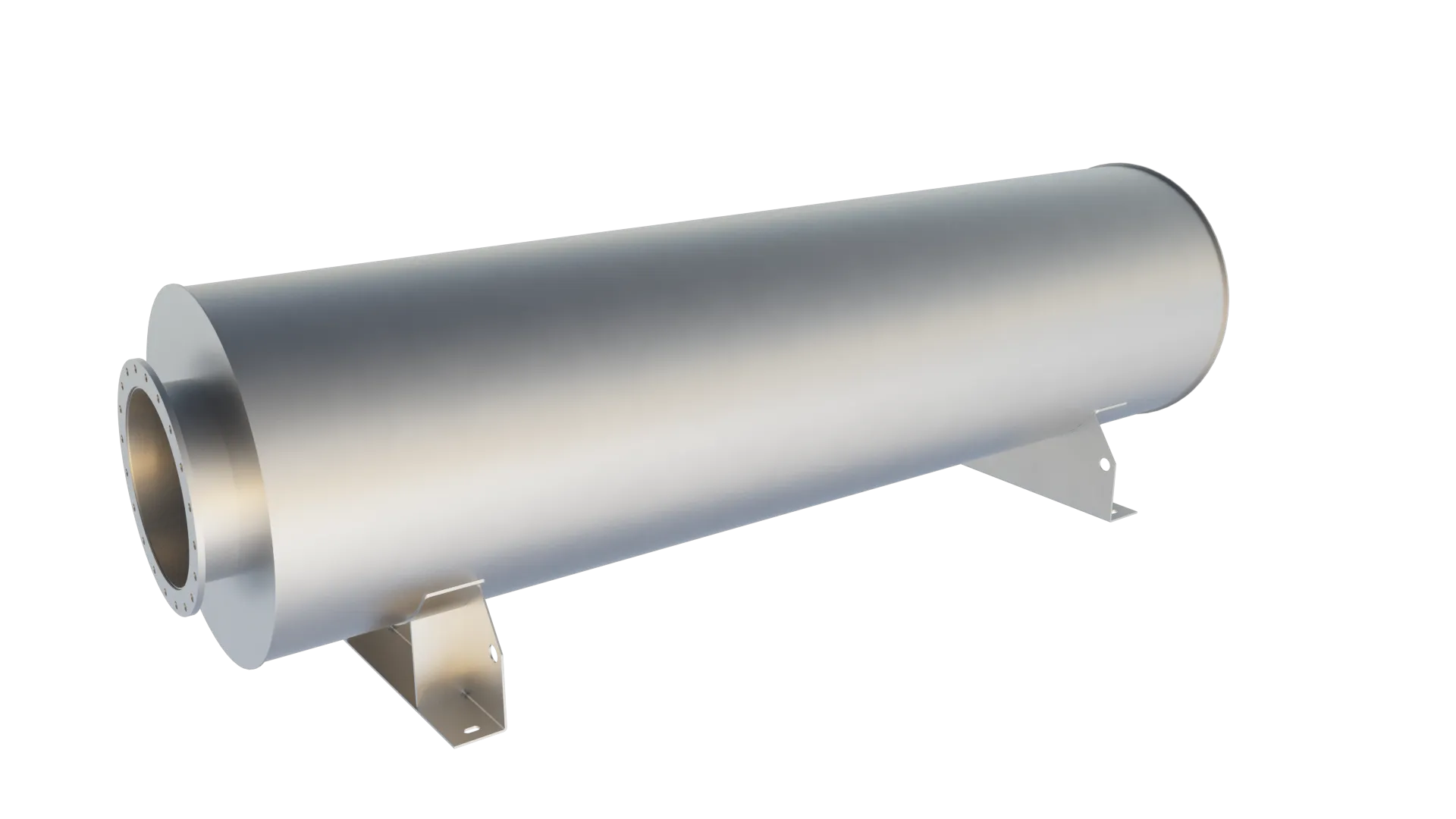
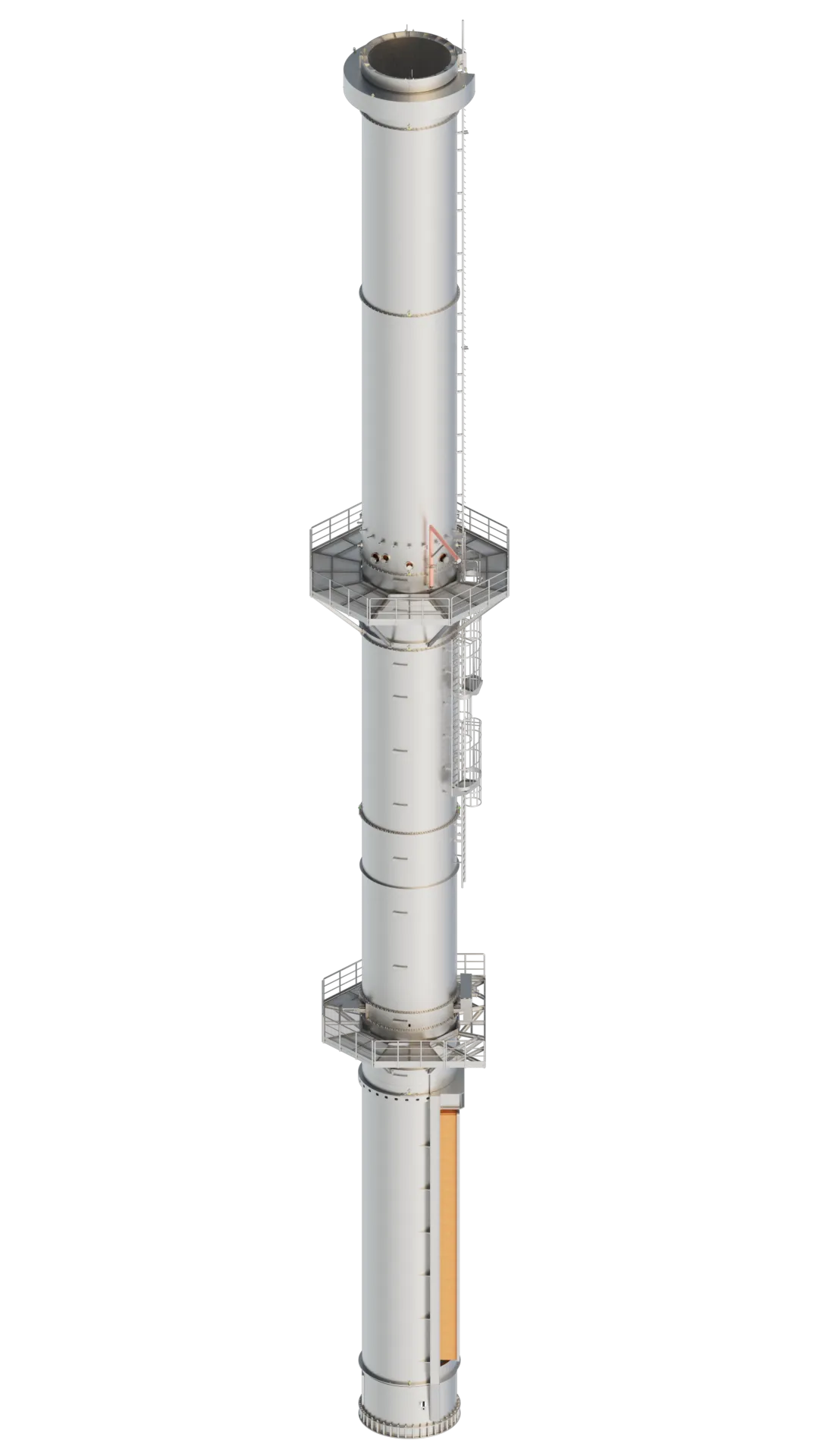
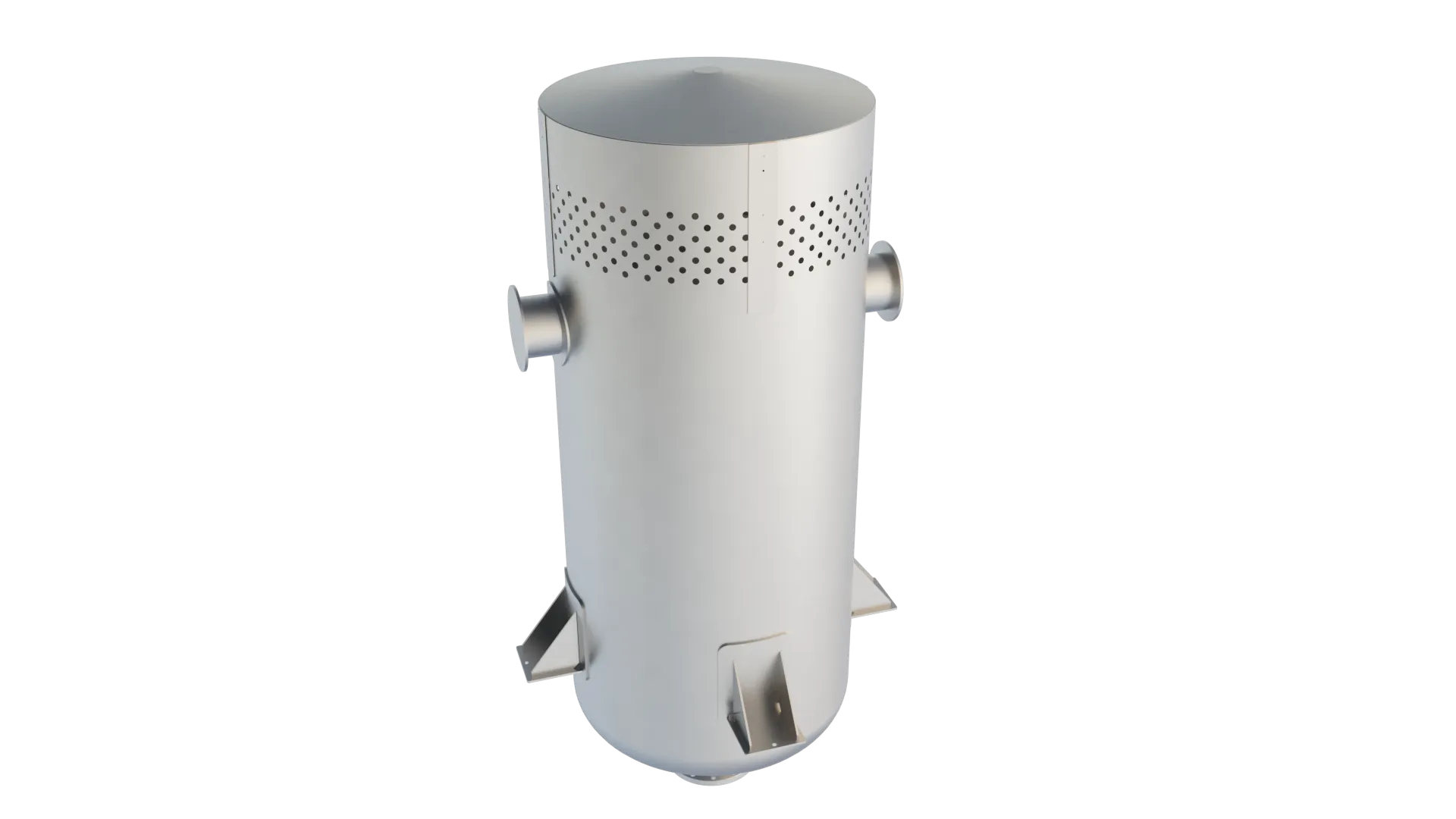
Hyperscale and colocation sites run banks of diesel and gas gensets that must start under load in seconds, and meet the same emission and noise limits as a permanent power plant. Axces engineers the exhaust train that sits between the engine and the stack: SCR DeNOx, oxidation catalysts, and multi-stage silencing sized to your specific machines and duty cycle.

We start from your engine data sheets and the local permit. Back-pressure budgets, catalyst space velocity, and insertion-loss targets are modelled before any steel is cut, so the system clears NOx and CO limits while staying inside the back-pressure your engine warranty allows.

Every assembly is built to the tag list, flange standard, and delivery window your project schedule demands: DN-matched, PN-rated, and shipped with the acoustic and emission test data your authority having jurisdiction will ask to see at commissioning.

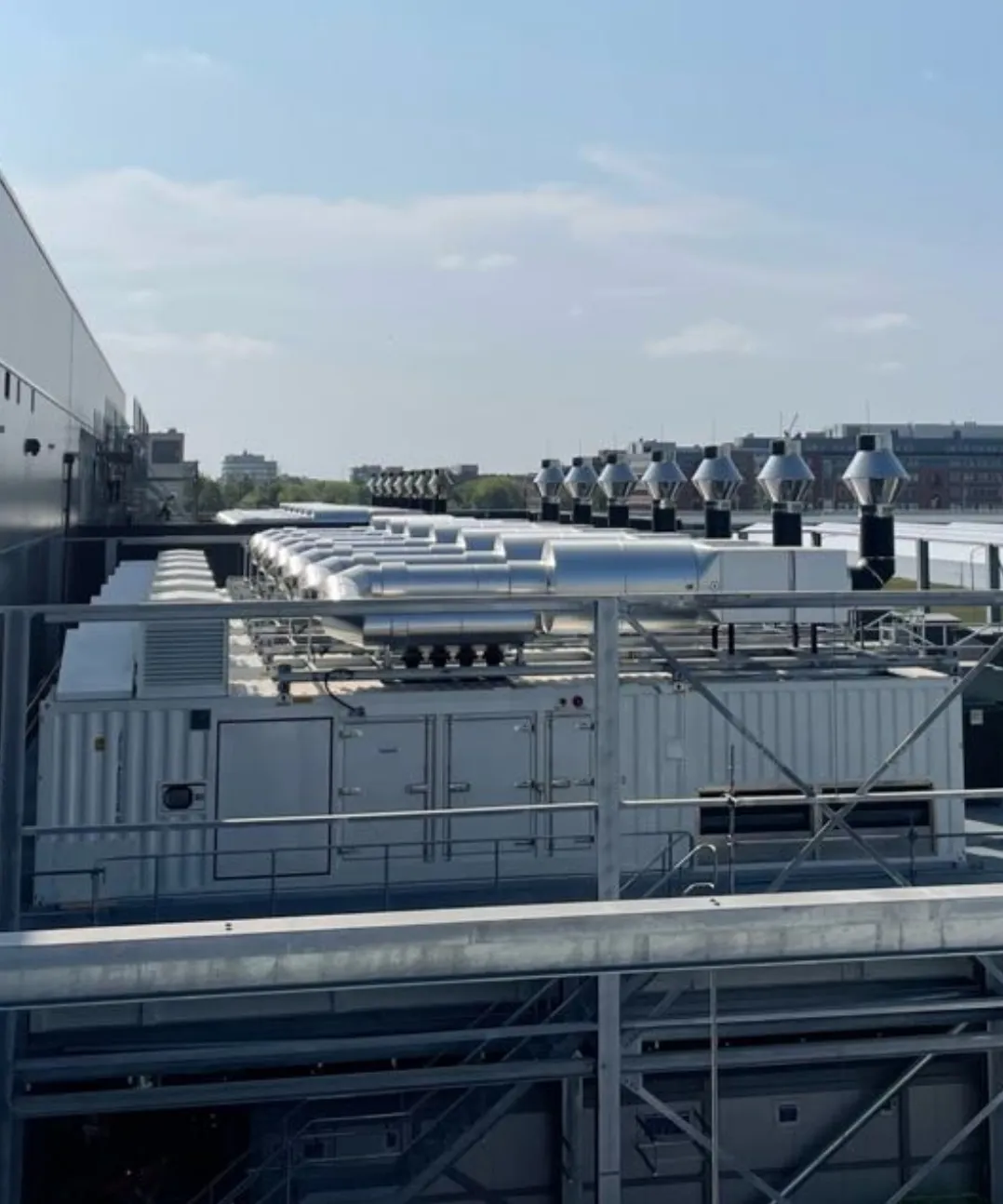
Rooftop view of a data center with rows of standby generators, exhaust ducting and stack outlets along the building edge

Built for sites where downtime and noise complaints are both unacceptable.

Five reasons engineering and facilities teams specify Axces for critical-power exhaust and acoustics.

From engine data sheet to commissioned exhaust train.

A four-step process that keeps emission, acoustic, and schedule risk off your critical path.

  1. Specify

    We take your engine data, permit limits, and site acoustics and define the back-pressure, NOx, and insertion-loss targets.

  2. Model

    Flow, catalyst space velocity, and attenuation are simulated so the system clears limits before any steel is cut.

  3. Fabricate

    Assemblies are built to your tag list, flange standard, and delivery week, with material and weld traceability.

  4. Commission

    We support installation and witness testing, handing over the emission and acoustic data your AHJ requires.

The pressures shaping data center backup power.

Permit, noise, and capacity demands are tightening faster than most standby-power designs were built for.

Tighter permit limits

NOx and CO thresholds for stationary engines keep falling, pulling SCR onto sites that once ran raw exhaust.

Neighbourhood noise consents

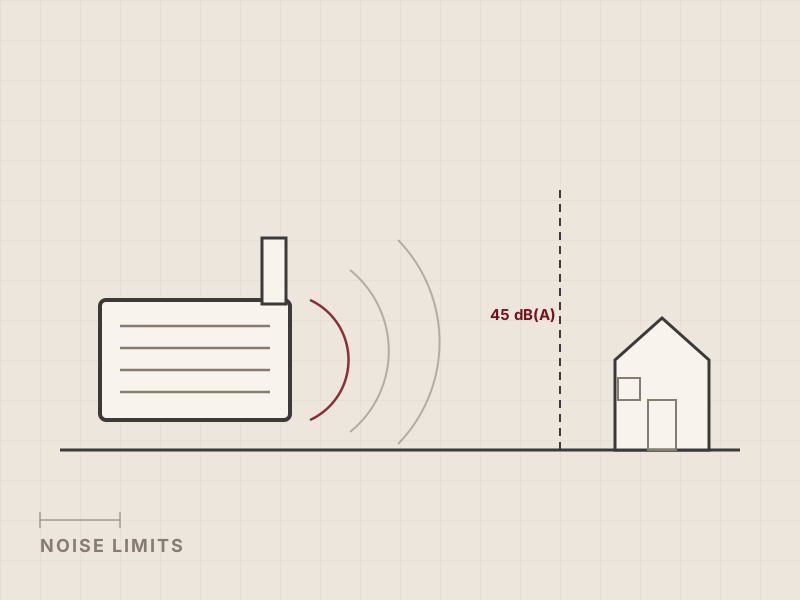
Campuses sited near housing must hold strict boundary dB(A) limits even during weekly load-bank tests.

Rising rack density

AI workloads push power and standby capacity up, multiplying the number of gensets and their combined emissions.

Compressed build schedules

Speed-to-power timelines leave little slack; exhaust and acoustic systems must arrive ready, on the delivery week.

Talk to an engineer

Building or upgrading a data center?

Send us your engine data sheets and permit limits and we will scope the exhaust and acoustic train for your site.

Discuss your project